Skip to content
Ricardo ShipmanThe Measured Carry Shelf

Practical books by Ricardo Shipman

Build a carry system your record can defend

I wrote these three books for the work that happens before, during, and after a defensive problem: test the gun against your hands and eyes, make the setup wearable, then prepare for the decisions and records that follow.

A Retired Police Instructor's Fit Test

PDF

3 Books · 395 Pages · 31 Chapters · 6 Methods · 6 Tables · 7 Checklists · 19 Glossary terms

Ricardo Shipman
The Carry Gun Your Hands Can Still RunCarry It Every Day: Holsters, Belts, Car Draws and Practice for the Body You Have After 60What Happens After You Pull the Trigger

Three PDF ebooks, 395 pages total across 31 chapters

3Books
395Pages
$27Your order

The books

The Measured Carry Shelf

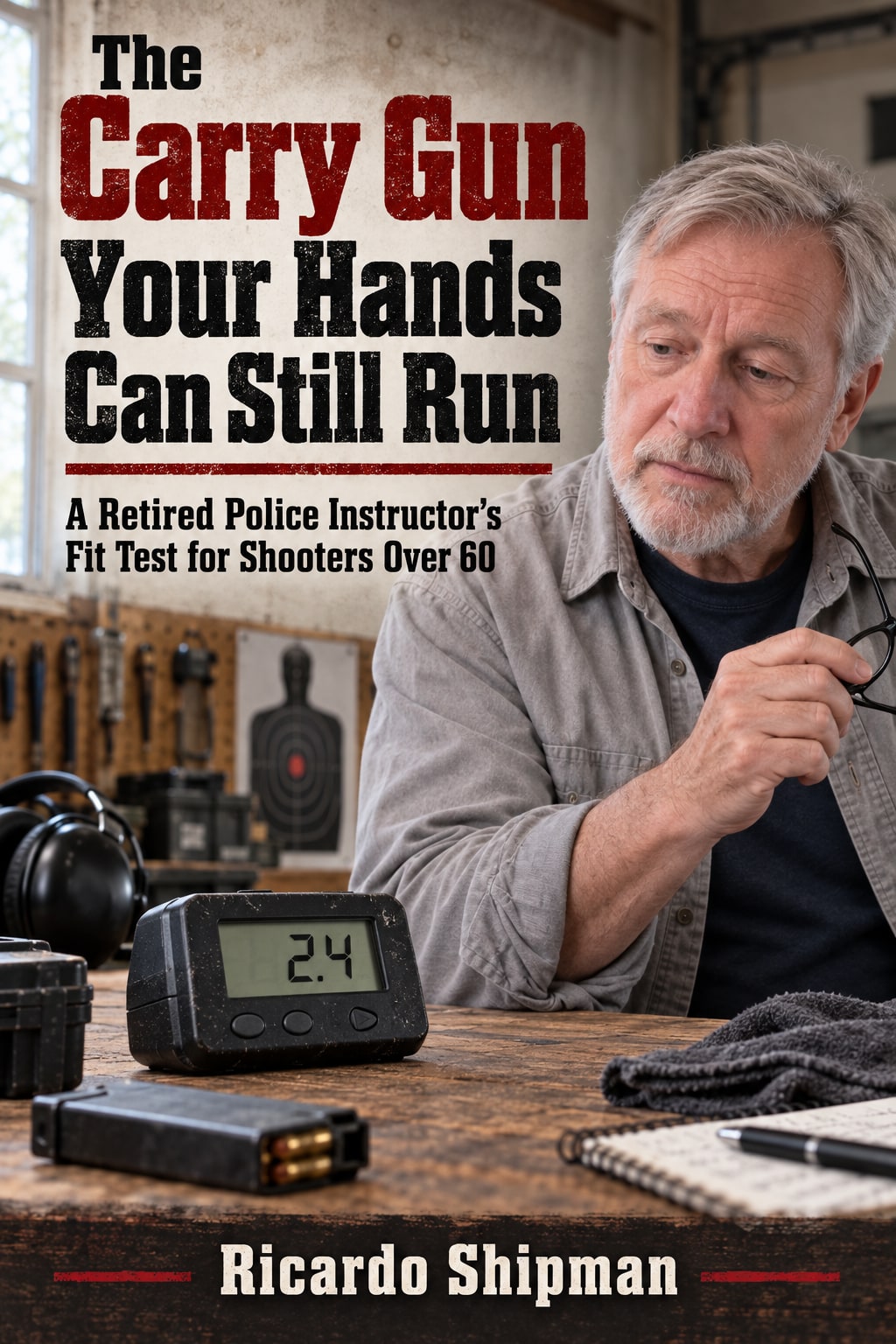
The Carry Gun Your Hands Can Still Run

The books / 01

The Carry Gun Your Hands Can Still Run

A Retired Police Instructor's Fit Test for Shooters Over 60

Test the gun, your hands, and your eyes under the same conditions you will actually use.

This is a bench-and-range record for choosing a carry gun by fit rather than reputation. Ricardo walks you through the hand audit, slide-racking methods, magazine-release reach, trigger work, sight picture with your actual glasses, recoil, and a controlled comparison of four guns. The book includes a repeatable Fit Sheet approach, tables for recording results, and a final decision process that asks what your record can defend. It is for the shooter whose hands, eyes, strength, or practice habits have changed and who wants observable evidence before buying. It also states its boundaries plainly: "I am not a physician, and this book is not a medical assessment."

Selected chapters

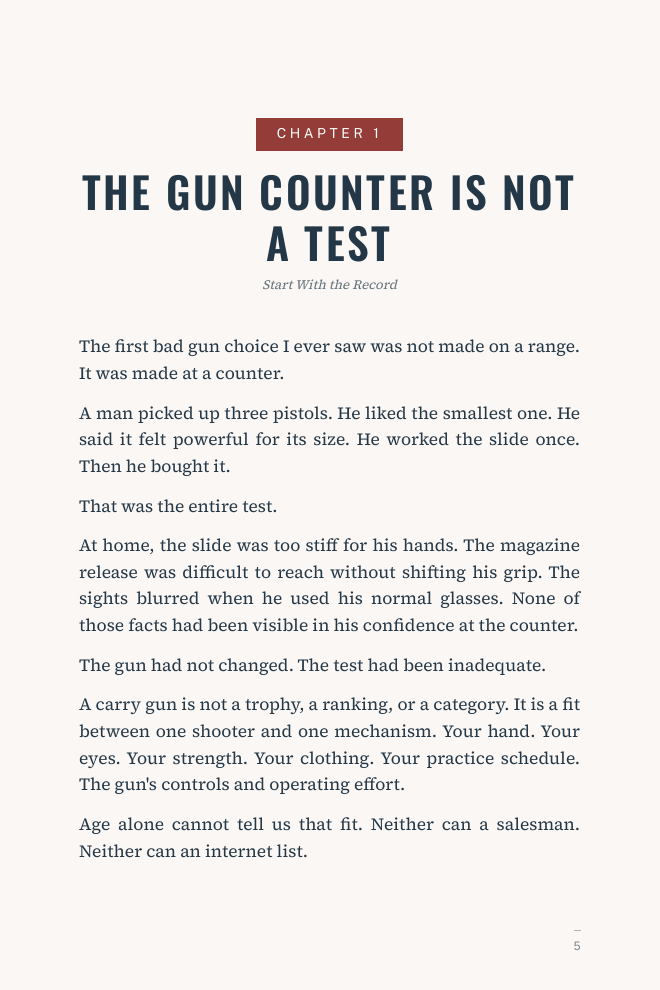
  1. The Gun Counter Is Not a Test
  2. Build the Fit Sheet Before You Touch the Gun
  3. What Your Hands Can Actually Run
  4. The Trigger Is Part of the Fit
  5. Test the Sight Picture You Really Use
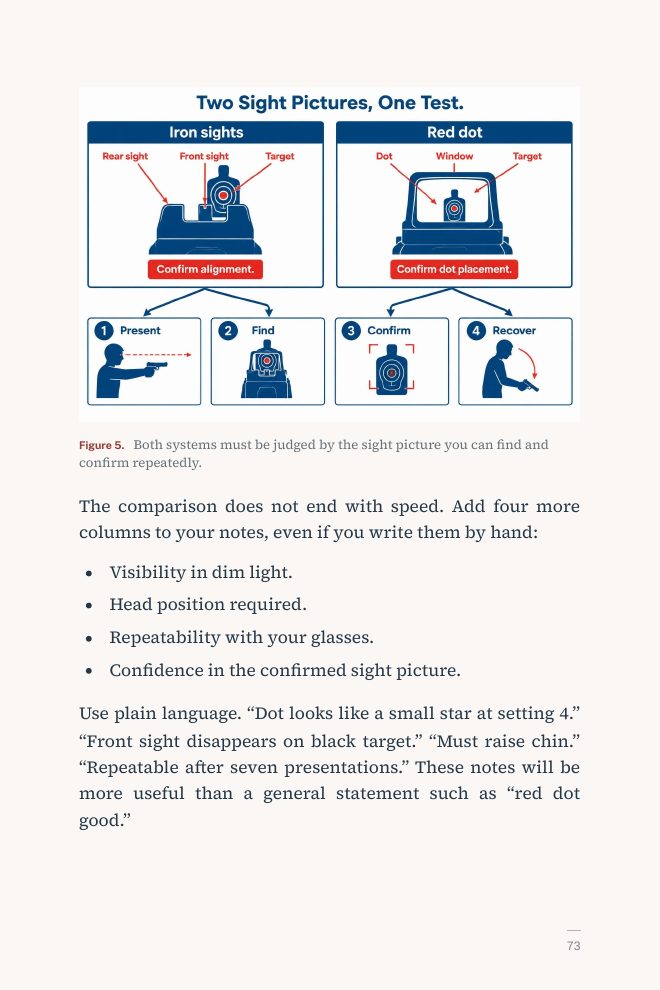
  6. Red Dots, Irons, and the Dark Room
  7. Recoil Is a Practice Budget
  8. The Revolver Question Has to Be Yours
Carry It Every Day: Holsters, Belts, Car Draws and Practice for the Body You Have After 60

The books / 02

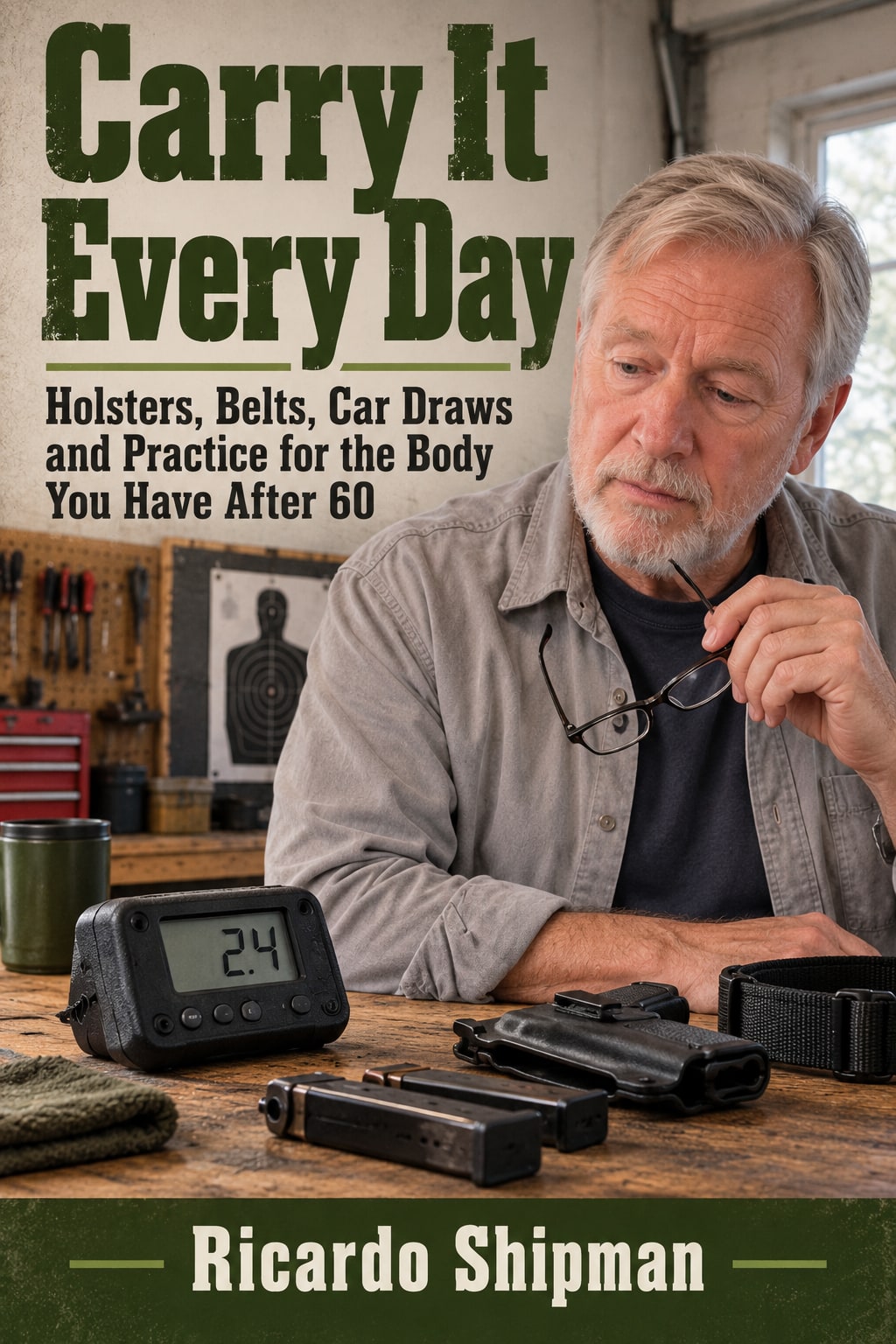
Carry It Every Day: Holsters, Belts, Car Draws and Practice for the Body You Have After 60

The Measured Carry Handbook for Comfort, Seated Access, and Pain-Aware Practice

Run the same carry setup through heat, sitting, driving, bending, and the end of the day before judging it.

This book deals with the equipment you wear on an ordinary Tuesday, not the setup that feels fine for five minutes. Ricardo covers the thirty-day Tuesday in August Test, belt stiffness and sag, holster positions from 3 to 5 o'clock, changing belly geometry, seated access, car practice with an unloaded and checked gun, restroom clothing management, sore thumbs, and a ten-minute routine across four mornings. The chapters help you change one foundation at a time and keep a symptom, comfort, and performance record. The standard is practical: build a setup your body can wear, reach, and practice consistently.

Selected chapters

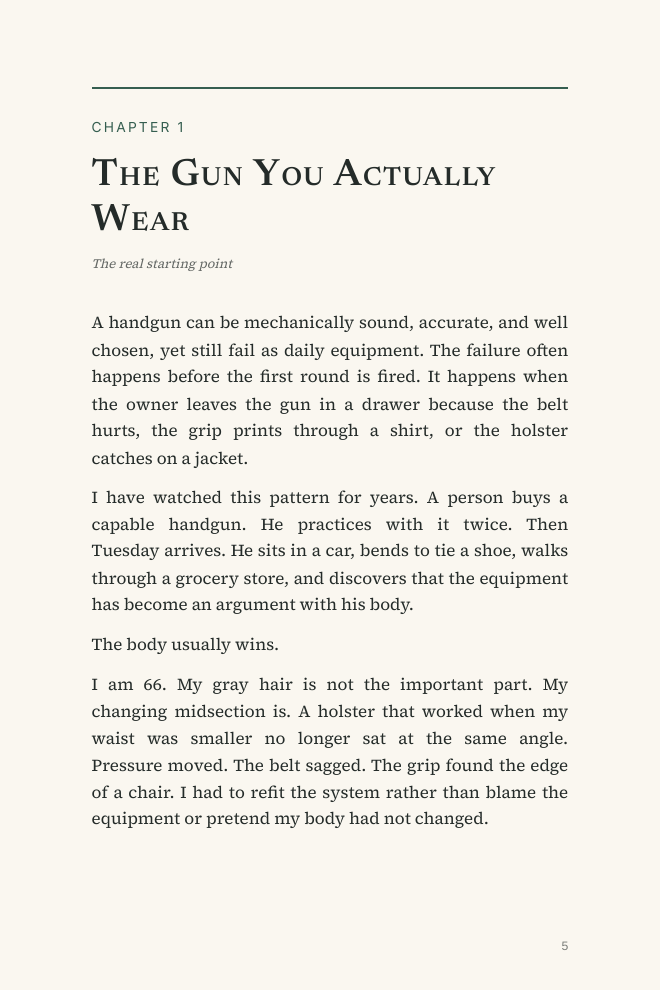
  1. The Gun You Actually Wear
  2. The Tuesday in August Test
  3. Build From the Belt Up
  4. Map the Holster to Your Body
  5. When a Belly Changes the Geometry
  6. The Car Is a Different Body Position
  7. The Restroom and Other Small Rooms
  8. Make the System Kind to Your Back and Hands
What Happens After You Pull the Trigger

The books / 03

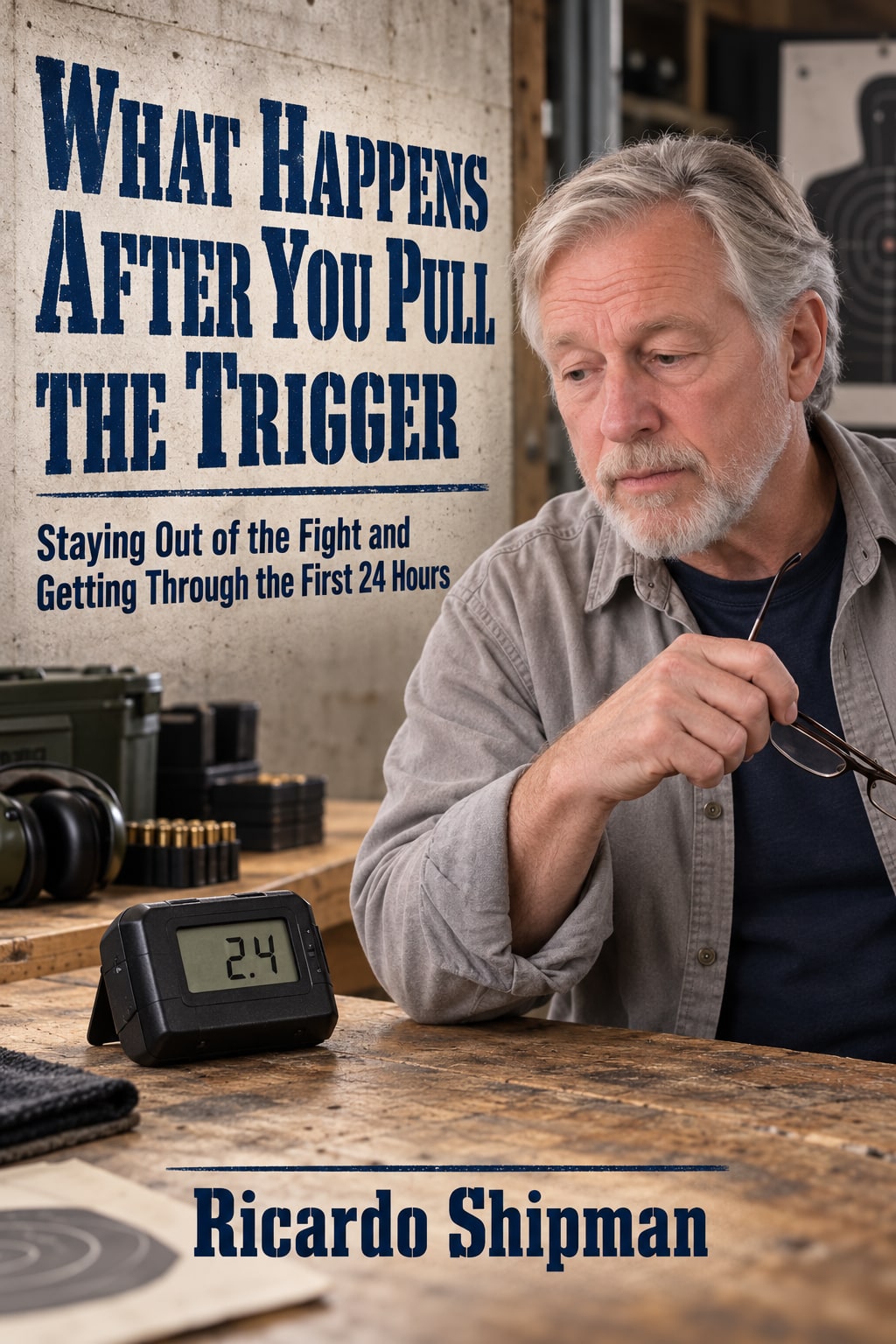
What Happens After You Pull the Trigger

A Retired Police Instructor on Staying Out of the Fight and Getting Through the First 24 Hours

Prepare the exit, the family briefing, and the record before an emergency makes each decision harder.

This is the decision-and-record book for the hours surrounding a defensive shooting, with avoidance placed first. Ricardo examines parking lots, gas pumps, ATMs, porches, road rage, blocked exits, family briefings, responding officers, emergency response, memory, attorney questions, and legal-plan documents. The Exit First Rule keeps the focus on movement, barriers, light, distance, and leaving before a dispute becomes a deadly-force problem. The later chapters organize a Passenger Card, an officer-facing safety sequence, a records system, and questions to ask an attorney licensed in your state. Ricardo is not a lawyer, and this book is not legal advice.

Selected chapters

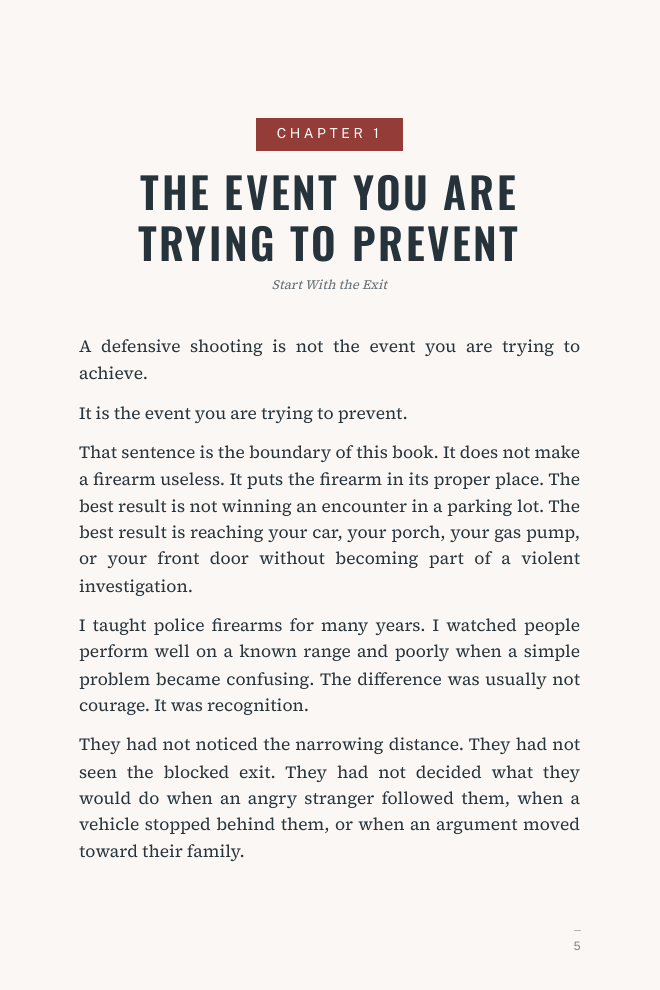
  1. The Event You Are Trying to Prevent
  2. Where the Ordinary Day Narrows
  3. The Passenger Is Part of the Scene
  4. Leave Before You Need to Decide
  5. What the First Officer Sees
  6. The First Twenty-Four Hours
  7. Your Body Will Alter the Record
  8. Finding the Attorney Before the Emergency

The Measured Carry Shelf

The equipment problem usually starts on an ordinary day

A gun can work well on a counter or range and still fail when your glasses, belt, hands, car, or memory enter the picture.

  • The slide works once at the counter, but the magazine release or sights do not hold up when you repeat the task with your normal glasses.
  • Your waist, belt, or back has changed, and the holster that used to work now presses when you sit or shifts when you walk.
  • A seat belt, low car, coat, or crowded entrance removes the distance and clear movement you expected to have.
  • After a frightening event, adrenaline and incomplete memory make the first questions harder to answer in a clean sequence.

Selected chapters

How the work fits together

The books have three distinct jobs. Read them in this order if you want to move from equipment choice to daily use to responsible preparation around a serious event.

  1. 1. Start with the gun and your record

    Read The Carry Gun Your Hands Can Still Run first. Set up the safe bench test, use your ordinary glasses, and begin recording what your hands can repeat rather than what a counter demonstration suggests.

  2. 2. Make the setup wearable

    Use Carry It Every Day after you have a candidate gun. Run the Tuesday in August Test through sitting, driving, errands, clothing changes, and the end of the day before changing several pieces of equipment at once.

  3. 3. Prepare for avoidance and aftermath

    Finish with What Happens After You Pull the Trigger. Work through the Exit First Rule, Passenger Card, responding-officer sequence, attorney questions, plan review, and records checklist without treating a confrontation as the goal.

Look inside

See the work before you buy

Open a page and read it. The samples begin at the gun counter, where one slide movement is shown to be an inadequate test, then move to a changing midsection and a holster that no longer sits correctly, and finally to the decision to prevent a defensive shooting rather than seek one. Inside the books you will also find the hand audit, the Tuesday in August Test, the Exit First Rule, tables, checklists, and ordered procedures.

3 Books · 395 Pages · 31 Chapters · 6 Methods · 6 Tables · 7 Checklists · 19 Glossary terms

Page 5 — The Gun Counter Is Not a Test
Page 5 — The Gun Counter Is Not a Test ↗
Page 73 — Red Dots, Irons, and the Dark Room
Page 73 — Red Dots, Irons, and the Dark Room ↗
Page 5 — The Gun You Actually Wear
Page 5 — The Gun You Actually Wear ↗
Page 5 — The Event You Are Trying to Prevent
Page 5 — The Event You Are Trying to Prevent ↗
Ricardo Shipman

From the author

From the garage bench, not a stage

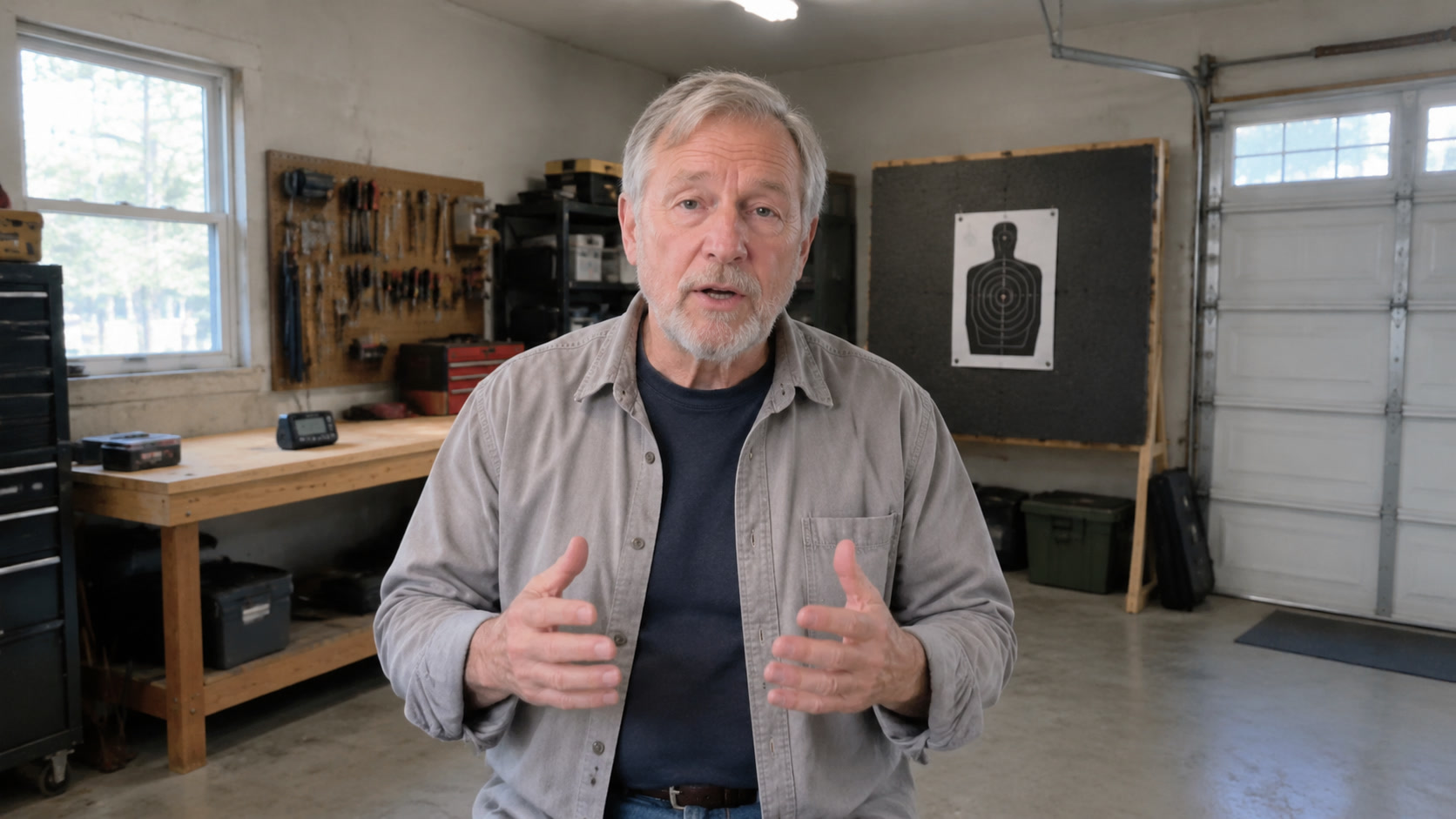
I am 66, gray-haired, and living in a modest suburban home where my garage is still a practical workshop. I spent years teaching police officers how to approach vehicles during traffic stops, handle an issued pistol, and make phone calls after shootings. These days I use a personal timer, write times in tenths of a second, and admit that my memory is no longer what it used to be.

I carry a Smith and Wesson Shield Plus at four o'clock most days. It has outlasted two personal holsters, and my changing midsection has made me refit the system more than once. Arthritis at the bases of my thumbs is part of the measurement, not a reason for self-pity. When the evidence does not support a favorite answer, I will say so.

— Ricardo Shipman

This is for you if

Who I wrote this for

This is for you if

  • You want observations, timed repetitions, tables, and written records instead of age labels or counter confidence.
  • You are willing to practice with safe conditions, your actual clothing and glasses, and the body you have now.
  • You want avoidance and distance to matter more than caliber, and you do not draw to protect property or enter a stranger's argument.

What this book will not do

  • I am not a physician, and this book is not a medical assessment.
  • It is not a substitute for your own numbers.
  • The standard for this book is not perfect concealment.
  • It is not a substitute for looking and feeling according to the manual.

What you get

The complete offer

You get three PDF ebooks covering the full sequence: selecting a gun by measurable fit, building a carry system your body can wear and practice, and preparing for avoidance, the first responding officer, the first 24 hours, and the paper trail. Together they include 395 pages, 31 chapters, 6 methods, 6 tables, 7 checklists, and 19 glossary terms.

The Carry Gun Your Hands Can Still RunCarry It Every Day: Holsters, Belts, Car Draws and Practice for the Body You Have After 60What Happens After You Pull the Trigger

Your order

Carry After 60

$27

Three PDF ebooks, 395 pages total across 31 chapters

3 Books · 395 Pages · 31 Chapters · 6 Methods · 6 Tables · 7 Checklists · 19 Glossary terms

  • The Carry Gun Your Hands Can Still Run · 130 · PDF
  • Carry It Every Day: Holsters, Belts, Car Draws and Practice for the Body You Have After 60 · 132 · PDF
  • What Happens After You Pull the Trigger · 133 · PDF
Get all 3 books $27

PDF

The Measured Carry Shelf

What you can work toward

Choose by repeatable fit

If the counter test feels too short, use the hand, eye, trigger, recoil, and range comparisons to record what you can operate and repeat.

Wear the setup on real days

If your belt, belly, back, clothing, or car changes the problem, work through the wear test and adjust one part of the system at a time.

Leave earlier and preserve the record

If you carry for protection, use the avoidance chapters, family briefing, officer-facing sequence, and records checklist to prepare without treating a fight as success.

The Measured Carry Shelf

Questions

How is the book organized?

A Retired Police Instructor's Fit Test for Shooters Over 60

Do I need prior firearms experience to use these books?

No special experience is stated as a prerequisite. The books begin with safe, unloaded setup and observable tasks, then move through carry practice, avoidance, and aftermath planning. Work at a pace your own safe handling and judgment support.

What does the first book actually test?

It tests grip strength, slide operation by overhand and slingshot methods, magazine-release reach, loading tasks, trigger operation, sight picture with your actual glasses, recoil, recovery, and a controlled comparison of four guns. The point is to record repeatable results rather than rely on labels such as easy or beginner-friendly.

How does the carry book address a changing body?

It covers belt stiffness and sag, pants fit, resizing after a weight change, holster positions from 3 to 5 o'clock, appendix geometry, seated access, car interference, clothing layers, back and shoulder concerns, and arthritis at the bases of the thumbs. It asks you to test one foundation change at a time.

Does the third book tell me to draw in a confrontation?

No. Its central boundary is avoidance. Ricardo says he does not draw to protect property or intervene in a stranger's argument; the book emphasizes earlier decisions, distance, movement, barriers, calling for help, family preparation, and a clear sequence after a serious event.

Are these books medical or legal advice?

No. The first book says, "I am not a physician, and this book is not a medical assessment." The second says, "I am not a lawyer, and this book is not legal advice." The third directs legal questions to a licensed attorney and medical questions to a doctor.

Why pay for a book when the videos are free?

A video can show one task, but these books put the complete ordered method in your hands: the Fit Sheet approach, timed comparisons, tables, checklists, the Tuesday in August Test, the Exit First Rule, the Passenger Card, attorney questions, and records planning. You can pause, write beside the procedure, and return to the same sequence.

What format do I receive?

The collection contains three PDF ebooks. Together they contain 395 pages across 31 chapters.

Why buy all three instead of one?

Each book handles a different job. The first helps you choose what your hands and eyes can run, the second helps you wear and practice that setup, and the third helps you avoid conflict and prepare for the decisions and records that follow a serious event.
Start with the fact you can measure

Put the gun, the holster, the car, or the next decision on paper. Then take the next observable step and let the record—not confidence or folklore—do the arguing.

Get all 3 books $27

PDF